The landscape of Asian hip-hop is a constantly shifting, vibrant ecosystem, and few artists have made a more immediate and compelling impact in recent years than CAMO. Her journey, beginning in Hong Kong and culminating in her status as a bilingual powerhouse under the 502 label, is a testament to the new globalized reality of music. She is not just a rapper; she is a cultural bridge, blending the raw energy of Trap with the melodic accessibility of Pop-Rap, creating a sound that resonates far beyond the Korean peninsula. Her influence is a quiet revolution, one that is redefining what it means to be an Asian artist in a genre historically dominated by Western narratives.

The Bilingual Advantage and Global Reach
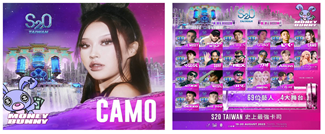
One of the most significant factors in CAMO‘s burgeoning influence is her bilingualism. Born in 1998, her ability to effortlessly switch between languages in her tracks gives her an unparalleled advantage in reaching a diverse, international audience. This is more than just a marketing tool; it’s a creative choice that reflects the lived experience of a generation that moves fluidly between cultures. Her lyrics, whether delivered in sharp Korean verses or smooth English hooks, carry a universal appeal. This linguistic dexterity allows her to tap into the massive markets of East and Southeast Asia while simultaneously gaining traction in North America and Europe. She embodies the modern Asian diaspora artist—rooted in one culture, yet fluent in the global language of hip-hop.
“The future of hip-hop is polyglot, and CAMO is one of its most articulate voices, proving that authenticity transcends a single language.”
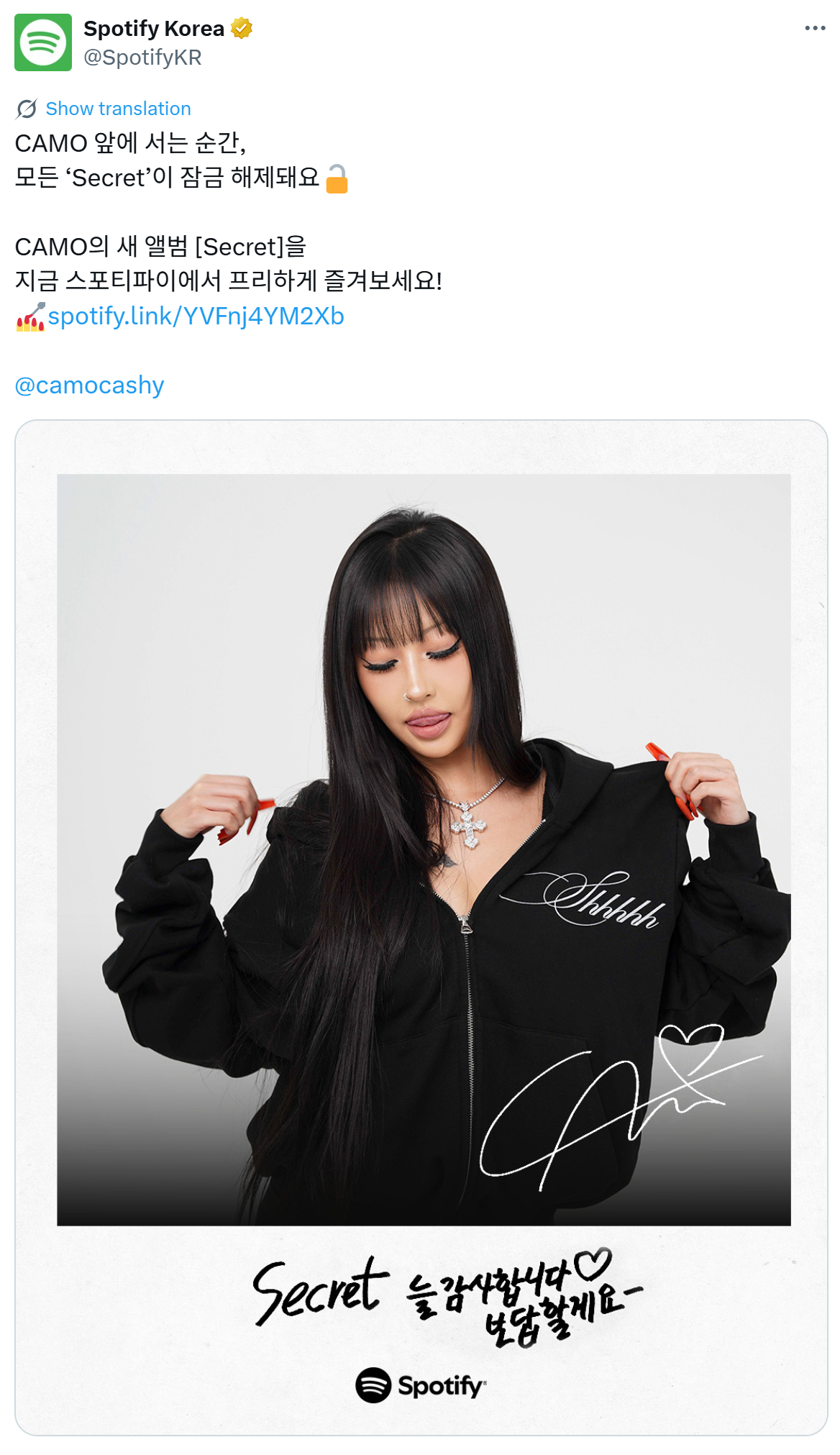
Her latest album, Secret, released in November 2025, is a masterclass in this cross-cultural synthesis. The project is a confident declaration of her artistic maturity, moving past the initial hype to establish a lasting sonic identity. The album is a carefully curated collection of tracks that showcase her versatility, from hard-hitting Trap anthems to introspective, R&B-tinged ballads. The production is sleek and international, featuring collaborations that further cement her status as a global player. This strategic approach to her music is what makes her a blueprint for aspiring Asian artists looking to break out of regional confines.
Redefining the Pop-Rap and Trap Fusion
CAMO‘s signature style—a seamless blend of Pop-Rap and Trap—is precisely what the Asian market has been craving. While traditional Korean hip-hop often leaned heavily on boom-bap or more aggressive Trap sounds, CAMO introduced a polished, radio-ready sensibility without sacrificing the genre’s edge. This fusion has made her music incredibly accessible, drawing in listeners who might not typically engage with pure hip-hop. She has shown that commercial success and artistic credibility are not mutually exclusive, a crucial lesson for the next wave of artists.
The tracks on Secret demonstrate this perfectly. For instance, the lead single, which is a high-energy Pop-Trap banger, immediately became a staple in clubs across Seoul, Tokyo, and Bangkok. Conversely, a track like Midnight Drive slows the tempo, allowing her vocal delivery to shine, proving her range as a singer as much as a rapper. This ability to oscillate between styles while maintaining a cohesive sound is a hallmark of a truly influential artist.
- Key elements of CAMO‘s sound:
- Melodic hooks that stick with the listener
- Intricate, multi-layered Trap beats
- Confident, often playful, vocal delivery
- Seamless integration of Korean and English lyrics
Her influence extends beyond the sound itself to the visual presentation. Her music videos and stage presence are meticulously crafted, often featuring high-fashion aesthetics and bold, unapologetic confidence. This visual language speaks volumes to young Asian fans, offering a powerful counter-narrative to older, more conservative representations of success. She is a symbol of modern, empowered youth, and her image is as influential as her music.
The Secret to Breaking Barriers
The album Secret is arguably the most important release in CAMO‘s career in terms of solidifying her influence. It’s a statement piece that addresses the pressures and triumphs of her rapid ascent. The album title itself suggests a hidden depth, a layer of complexity beneath the glossy exterior of her public persona. By sharing this “secret,” she invites her audience into a more intimate space, fostering a deeper connection that builds loyalty and longevity.
The success of Secret has had a tangible effect on the industry. We are now seeing more Asian artists, particularly female rappers, adopting a similar approach: embracing bilingualism, prioritizing high-quality visual content, and confidently blending genres. CAMO has effectively lowered the barrier to entry for a new generation, showing them that their unique, multi-faceted identities are their greatest strengths, not hindrances. Her impact is not just about chart numbers; it’s about shifting the cultural conversation. She has proven that an artist can be authentically Asian, globally relevant, and commercially dominant all at once. This is the legacy of Secret, and it is a legacy that is only just beginning to unfold across the Asian hip-hop scene. Her continued evolution promises to keep the genre dynamic and exciting for years to come. The industry is watching, and the next wave of talent is taking notes.